Not sure where to start? The ninety-minute assessment is free, involves nothing to sign, and ends with a written twelve-week programme you keep whether or not you join. Call 000-000-0000
The reason boxing works as conditioning is that a punch thrown correctly is a whole-body rotational effort starting at the floor. Thrown incorrectly it is an arm movement, and an hour of arm movements is a tiring waste of time that also makes your shoulders sore. So we spend the first three weeks of any new member's boxing on stance, weight transfer and rotation, and it makes every session afterwards twice as hard.
There is no sparring here and there is no contact. This is a conditioning class built on boxing technique, not a fight gym — nobody gets hit, nobody is asked to hold pads for a stranger, and nobody is going to be pressured into a ring. Coaches hold pads; members hit bags.
It is also the class people find easiest to bring a friend to. Something about hitting a bag lowers the barrier for people who have quietly decided they are not gym people, and a surprising number of our long-term strength members first walked in for a Wednesday boxing class.

What a boxing class contains
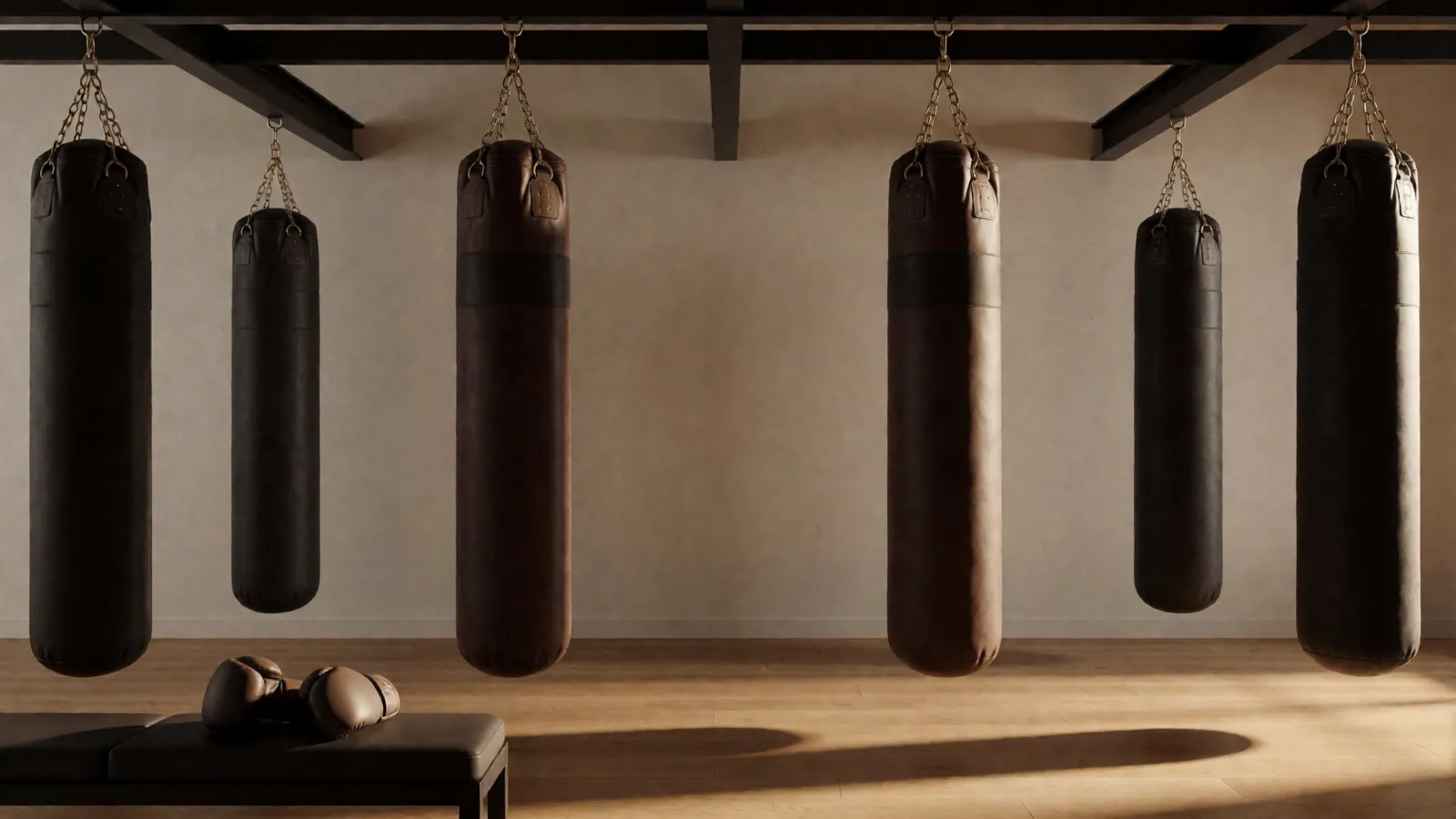
Forty-five minutes, twenty people, six heavy bags and rotating pad rounds with the coach.
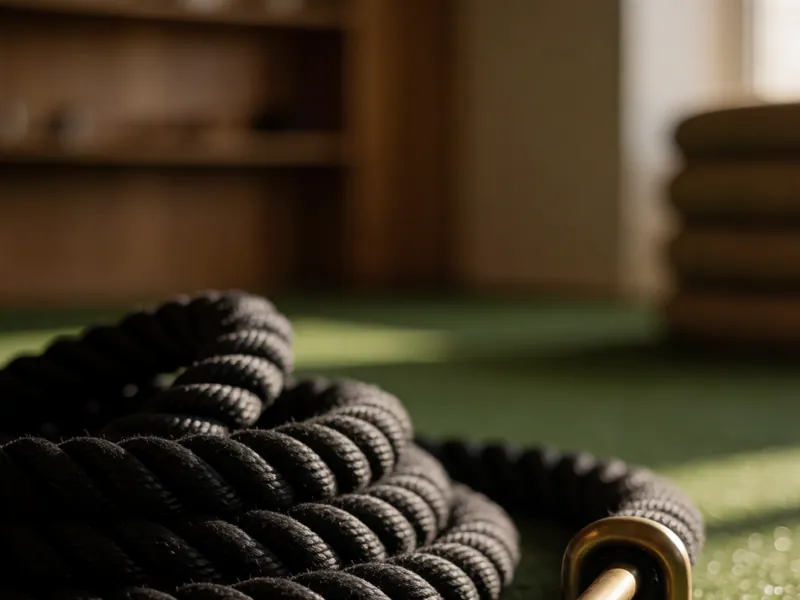
Rope and shadow work
The traditional warm-up and the best one — skipping builds the exact calf and ankle stiffness that footwork needs, and shadow boxing lets the coach see everybody's stance before a glove touches anything.
Technique, taught in small pieces
One thing per session. The jab, the cross, the rotation on a hook, the shift of weight in a slip. Corrected individually rather than called from the front.
Bag rounds
Three-minute rounds with a minute between, run in a fixed rotation so everybody gets bag time. The combinations build across the block rather than changing randomly.
Pad rounds with the coach
Each member gets pad time with the coach during the class, which is where technique actually gets fixed. Twenty people is the maximum at which this remains possible, hence the cap.
Conditioning finisher
Body-weight or med-ball work, short. Boxing is already conditioning; the finisher is there to empty the tank rather than to be the session.
What we teach, in order
The same progression every new boxer follows, over roughly six weeks.
Stance and guard
Where the feet go, how the weight sits, where the hands live. Everything else is built on this and almost everybody's first instinct is wrong in the same three ways.
The jab
The most important punch and the one people are least interested in. Straight, from the guard, returning to the guard. Two weeks on the jab alone is normal and is not a punishment.
The cross, and rotation
Where power actually comes from — the back foot, the hip, the torso, in that order. This is the session where people first feel the difference between a punch and an arm.
Hooks and uppercuts
Shorter, rotational, and the two most commonly thrown badly. Taught last because they require the stance and the rotation to already be automatic.
Footwork and defence
Moving in and out of range, slipping, rolling. Introduced from week one in shadow work and combined with punching from about week five.
Combinations
Once the pieces are sound. This is where the class starts feeling like boxing rather than like a drill, and it is worth waiting for.
Practical questions before your first class
Nothing here requires you to buy anything before you turn up.
Gloves and wraps
We lend gloves in every size and sell wraps at cost. Most people buy their own gloves after a month or two because shared gloves are shared gloves, but there is no need to arrive with any.
How to wrap your hands
The coach will do your first pair and teach you on the second. It protects the small bones of the hand and the wrist, and it is not optional — nobody hits a bag here unwrapped.
What to wear
Anything you would train in, and trainers with a reasonably flat sole. Running shoes with a thick soft heel make pivoting awkward.
Sore hands and shoulders
Normal in the first fortnight and it fades quickly. Persistent wrist pain is not normal and means your wrap or your fist is wrong — tell the coach rather than working through it.
Whether you need to be fit
No. You are hitting a bag, and you can hit it at whatever pace you like. It is one of the most self-regulating classes we run, which is why it works so well for beginners.
Boxing Fitness in western Queens
Real technique on the bags, no sparring, no contact — conditioning that happens to be a skill.
It starts the same way whatever you are here for: ninety minutes with a coach, a movement screen, a handful of baseline numbers, and a written twelve-week programme in your hand at the end of it. The assessment is free, the programme is yours to keep, and there is nothing to sign.

Questions
Boxing Fitness — the questions we are asked most
Do I need to spar or get hit?
No, and it is not available here. This is boxing-based conditioning: members hit heavy bags and coaches hold pads. There is no sparring, no contact between members, and nobody will ever be asked or encouraged to fight. If competitive boxing is what you want, we will happily point you at a proper fight gym.
Do I need my own gloves?
No. We lend gloves in every size at every class, and sell wraps at cost. Most regulars buy their own gloves after a month or two, which is a hygiene preference rather than a requirement.
Is boxing a good workout for beginners?
One of the best, because it is entirely self-regulating — you hit the bag as hard and as often as you choose. It is also a skill, which keeps people engaged far longer than a generic circuit. Expect the first two weeks to be mostly technique and expect that to make the following weeks considerably harder.
Will boxing help me lose weight?
It is hard conditioning and burns accordingly, so it contributes. As with every class, though, body composition is driven mostly by food, sleep and daily movement. Two boxing classes a week plus two strength sessions plus a sensible nutrition conversation is the combination that actually works.
I have a shoulder or wrist problem. Can I still box?
Often yes, with a coached wrap and some modification, but tell us first. Wrist pain in boxing is almost always a wrapping or fist-alignment problem and is fixable in one session. A current shoulder injury should be looked at by Priya before you start hitting anything.
How do I wrap my hands?
Your coach will wrap your first pair for you and teach you on the second. It takes about two minutes once you know it. Nobody hits a bag here without wraps — the small bones of the hand are easy to hurt and slow to heal.
Are the classes mixed?
Yes, all ages and all levels in the same room, and it works because everybody is on their own bag at their own intensity. Our Wednesday evening class regularly has somebody in their sixties on the bag next to somebody in their twenties and neither notices.
Can I have a private boxing session?
Yes, sixty minutes of pads and technique one to one at $95. It is the fastest way to fix a technique problem, and several members do one private session for every four or five classes.
Related
Members usually pair this with
Group Classes
HIIT & Conditioning
Hard, capped at twenty, and programmed in six-week blocks so it actually gets you fitter.
Read more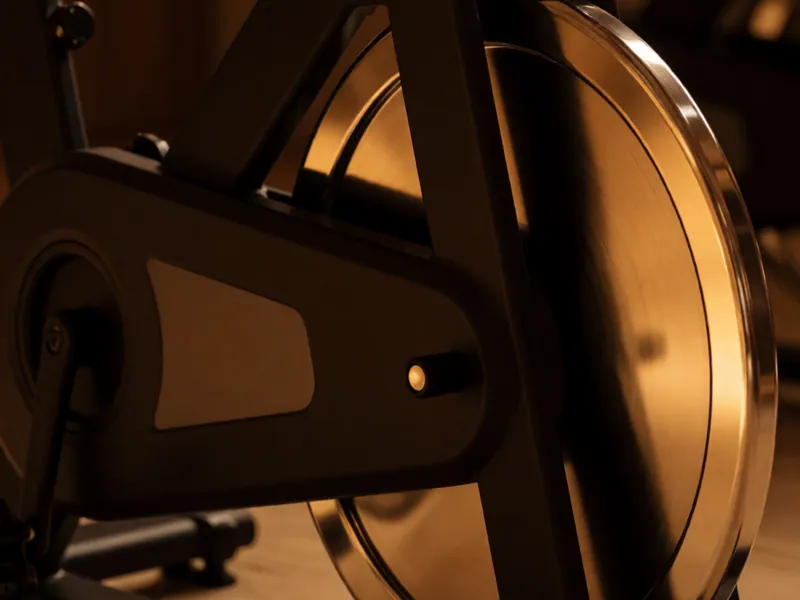
Group Classes
Indoor Cycling
Twenty-four bikes in a room built for twenty-four, with air handling that actually works.
Read more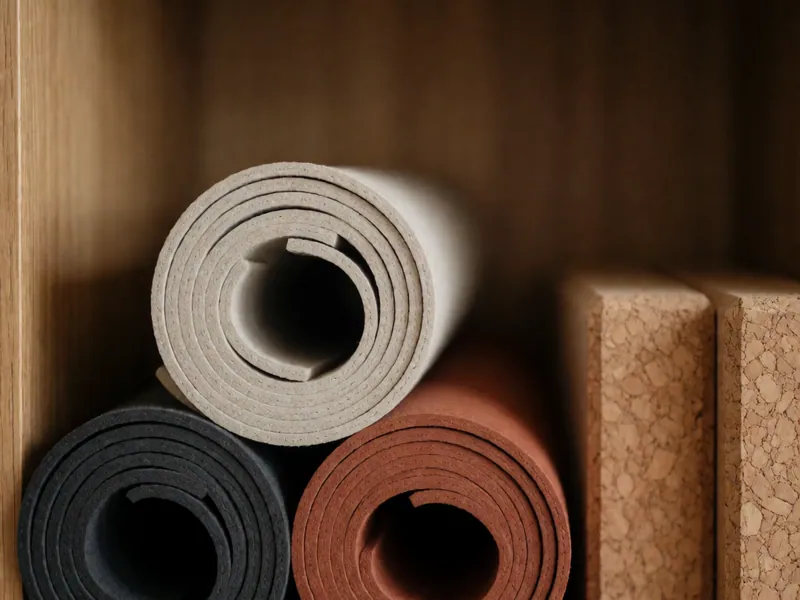
Group Classes
Yoga & Mobility
A quiet room with no mirrors, aimed at the ranges of motion your training and your desk are taking away.
Read moreFree assessment, free trial week, no contract
Book a free 90-minute assessment
Ninety minutes with a coach, nothing to sign, and a written twelve-week programme you keep whether or not you join. Every membership is month to month with no initiation fee and no notice period, and the trial week is free.