
Not sure where to start? The ninety-minute assessment is free, involves nothing to sign, and ends with a written twelve-week programme you keep whether or not you join. Call 000-000-0000
Almost everybody who comes to us for weight loss has done it before, successfully, and put it back on. That is not a failure of willpower — it is the predictable result of an approach built around a large deficit, a lot of cardio and no resistance training, which takes muscle off alongside fat and leaves you smaller, weaker and hungrier than when you started.
So we invert it. Strength training is the centre of the programme, because it is what preserves muscle in a deficit and what makes the weight that comes off come off the waist. Cardiovascular work supports it. And the food conversation is run by Elena, who is a registered dietitian — a licensed clinical credential, not a weekend certificate — and who will not sell you anything.
Her first intervention is almost never macros. It is usually sleep, because six hours a night reliably makes people hungrier and reduces the proportion of weight lost that is fat. The second is daily steps, because what you do on the four days you are not here matters more than the two hours you spend here. Both are unglamorous and both are where the results actually come from.
What the programme actually involves
Nothing here is proprietary and nothing here is a secret. It is the boring version, done consistently.
Strength training, two or three times a week
The non-negotiable centre. It preserves muscle while you are in a deficit, which is the difference between losing fat and simply becoming a smaller version of yourself.
Cardiovascular work, chosen to be sustainable
Classes, the bike, the rower or walking. Which one matters far less than whether you will still be doing it in month five. Cardio is a support to the deficit, not the mechanism.
Daily steps, tracked and increased slowly
Going from three thousand to eight thousand steps a day changes more than adding a fourth gym session. It is the single most under-rated intervention available and it costs nothing.
Sleep, addressed first
Short sleep increases hunger, reduces the proportion of loss that is fat, and undermines training quality. Elena will spend the first session on this before touching your diet, and people are frequently annoyed by it and later grateful.
Protein at every meal
The one dietary change that reliably helps almost everybody — it preserves muscle, it is satiating, and it does not require you to remove any food you enjoy. Usually the first and sometimes the only nutrition change we make.
A rate of loss you can live with
Roughly half a per cent to one per cent of bodyweight a week. Faster is achievable and costs muscle, energy and adherence. Slower is nearly always the faster route in the end.
What we will not do
A short list, and the reason for each. Every item on it is standard practice somewhere in this industry.
No six-week challenges
They produce rapid loss followed by rapid regain, and they teach nothing that survives the seventh week. We have watched enough of them from the outside to be certain about this.
No supplements, sold or recommended for sale
We do not stock any and no coach here earns anything from one. If a supplement is genuinely useful for you Elena will name it and tell you where to buy it cheaply, which is usually a supermarket.
No meal plans you cannot cook
A plan built around ingredients you do not like, cannot find in Woodside, or have no time to prepare is a plan you will abandon in week two. We work with how you actually eat.
No body-fat photographs
We measure body composition if you want it, in a private room, and we do not photograph anybody. Progress photographs work well for some people and badly for many, and it should be your choice rather than our marketing.
No moralising about food
There are no forbidden foods and no cheat days, because both framings make food a moral question and that is where disordered eating starts. Elena is trained to spot that and will refer out where it is warranted.
No promises with a number and a date
Anybody guaranteeing a specific weight by a specific day is guessing, and the guess is calibrated to sell rather than to be true.
What the numbers usually look like
Honest ranges from the members we have actually worked with. Individual results vary enormously and adherence explains most of the variation.
Months one to three
Typically four to twelve pounds, with the largest changes in the first fortnight from water and glycogen rather than fat. Strength usually goes up substantially in this period, which surprises people who expected to feel weaker.
Months four to nine
The steady period. Roughly half a pound to a pound and a half a week for most people, with plateaus of two to three weeks that are normal and not a signal to cut harder.
Months ten to eighteen
Where the large total numbers accumulate. Nearly everybody who has lost thirty pounds or more with us took at least a year to do it, and that is the honest timescale.
Afterwards
Maintenance is a separate skill and we coach it explicitly, because the regain rate for people who are simply released at their goal weight is high. Most members transition to a maintenance programme rather than stopping.
Weight Loss Coaching in western Queens
Strength training, a nutrition conversation with a registered dietitian, and no meal plan you cannot cook.
It starts the same way whatever you are here for: ninety minutes with a coach, a movement screen, a handful of baseline numbers, and a written twelve-week programme in your hand at the end of it. The assessment is free, the programme is yours to keep, and there is nothing to sign.
This page is general information, not medical advice. Nothing here is a diagnosis, a treatment plan or a substitute for your own physician, physical therapist or registered dietitian. If you have a cardiac condition, uncontrolled blood pressure, a recent surgery, a current injury, an eating disorder or a pregnancy, speak to your provider before starting or changing a training or nutrition programme — and tell us what they say, because we build around written clearance rather than around what somebody remembers being told. Pain at rest, pain that wakes you at night, worsening symptoms or any neurological symptom need proper clinical assessment first, and we will say so rather than train through them.
Questions
Weight Loss Coaching — the questions we are asked most
How fast can I expect to lose weight?
Roughly half a per cent to one per cent of your bodyweight a week is the range that preserves muscle and is sustainable — for most people that is one to two pounds. Faster is achievable and costs muscle, energy and adherence. Anybody promising a specific number by a specific date is guessing.
Is cardio or weight training better for weight loss?
Strength training should be the centre and cardiovascular work should support it. Cardio burns more calories per session; strength training preserves the muscle that decides whether you end up smaller and weaker or smaller and stronger. The people who keep the weight off are almost always the ones who lifted throughout.
Do you sell meal plans or supplements?
Neither, and no coach here earns anything from either. Elena is a registered dietitian and works with how you actually eat rather than issuing a plan. If a supplement is genuinely useful for you she will name it and tell you where to buy it cheaply — usually a supermarket.
Why do you ask about sleep before diet?
Because short sleep reliably increases hunger, reduces the share of weight lost that is fat rather than muscle, and degrades training quality. Somebody sleeping six hours a night has a bigger lever available than any macro adjustment, and it is free.
Do you run a six-week challenge?
No. They produce fast loss, fast regain, and nothing that survives the seventh week. We would rather have you for two years than for six weeks, and the arithmetic of that is not complicated.
Will I have to give up foods I like?
No. There are no forbidden foods here and no cheat days, because both framings make eating a moral question. The first change we usually make is adding protein rather than removing anything, and it is often the only change needed for several months.
Do you take body-fat photographs?
No. We will measure body composition in a private room if you want it, and we do not photograph anybody. Progress photographs help some people and harm others, and that should be your call rather than our marketing material.
What happens when I reach my goal?
You move onto a maintenance programme, deliberately and with coaching. Maintenance is a separate skill from losing weight and the regain rate for people who simply stop is high. Most of our members transition rather than finish.
Related
Members usually pair this with
Strength & Performance
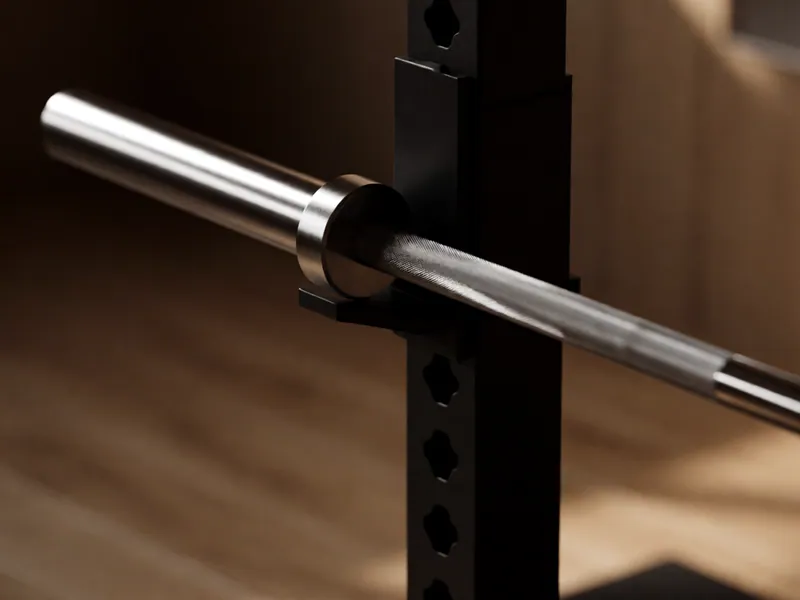
Strength Training
Ten platforms, calibrated plates, and a programme where the numbers go up on purpose rather than by accident.
Read more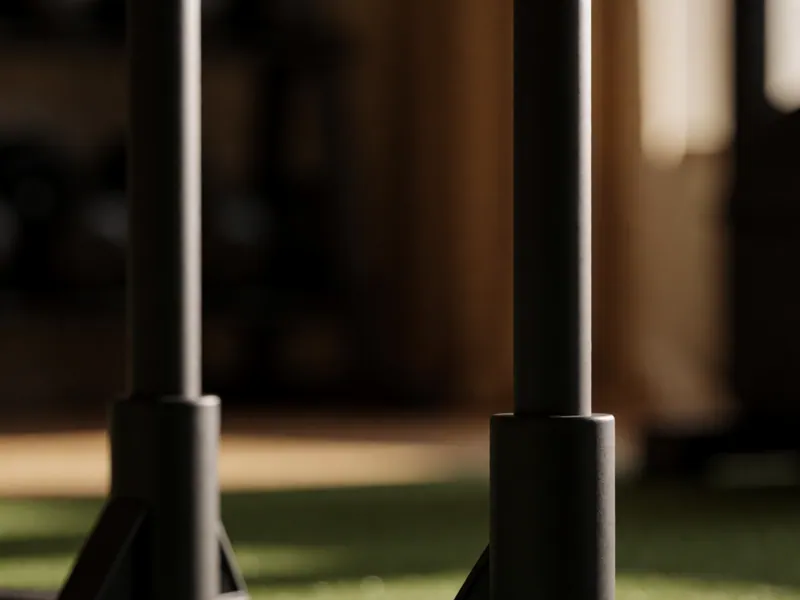
Strength & Performance
Functional Fitness
Sleds, carries, rigs and turf — training that transfers directly to the things you do outside this building.
Read more
Strength & Performance
Sports Performance
Speed, power and durability for competitive athletes, periodised around your actual season.
Read moreFree assessment, free trial week, no contract
Book a free 90-minute assessment
Ninety minutes with a coach, nothing to sign, and a written twelve-week programme you keep whether or not you join. Every membership is month to month with no initiation fee and no notice period, and the trial week is free.